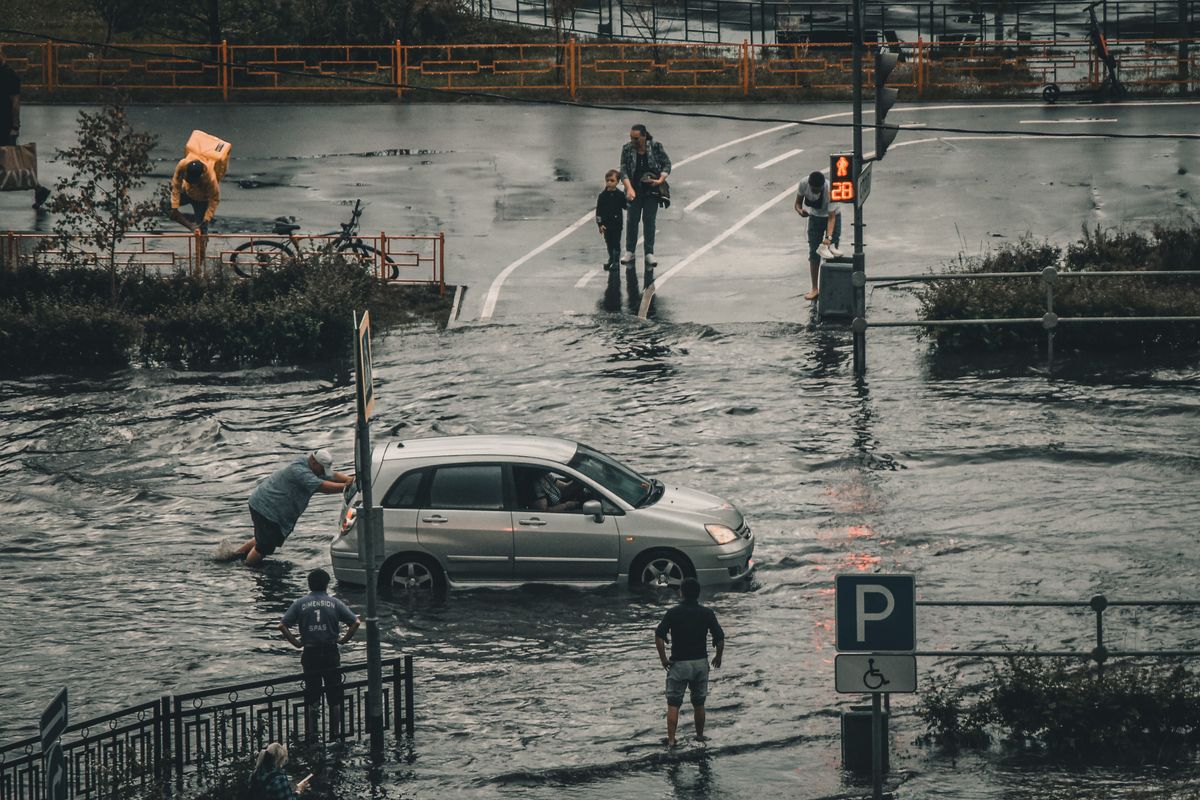
In what the institution regards as a quietly historic achievement, the city’s air quality index reached 145 — the threshold of the “Poor” classification — on the 21st and 22nd of July, a period that meteorologists had designated, with some optimism, as the height of the monsoon season. The index later retreated to 79 by the first week of August, a value the institution has recorded as “Moderate, and under the circumstances, considerate.”
The achievement is notable for its timing. Monsoon is, by established seasonal convention, the annual interval in which particulate matter settles, the air lightens, and cities that have been unkind to their atmosphere extend a brief, humble reprieve. The city this year declined to participate in that convention, which the institution recognises as a principled position.
A broadened performance calendar
The institution’s air quality unit has long documented the city’s signature dust across the winter and pre-summer quarters — a rich, ochre haze that veteran residents regard as a kind of second sky. The extension of this character into the monsoon months represents what archivists are calling “a maturation of the city’s atmospheric identity” — a refusal to be seasonal when it could be consistent.
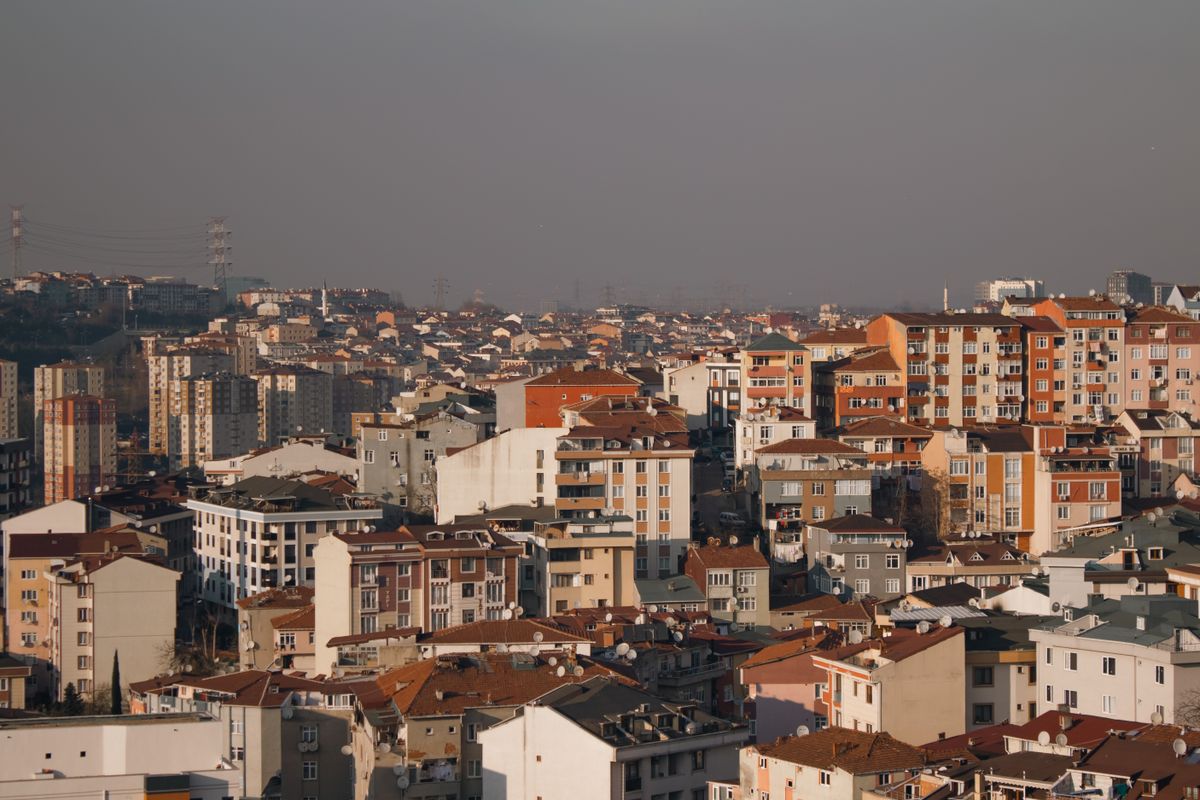
“Other cities rest their air in the rains. Ours works through.”— Air Quality Unit, seasonal note
Construction sites, which continued operations through the wettest weeks, were cited by analysts as significant contributors to the reading. The institution notes that the city’s commitment to continuous building, now itself a protected cultural practice, naturally extends to the atmosphere it produces. The two achievements are, in this sense, complementary.
Residents adapted as they have learned to do — with air purifiers on their highest settings and the quiet satisfaction of a city that never fully relaxes its standards, in any direction, in any season.
Filed under Environment · Office of Civic Memory