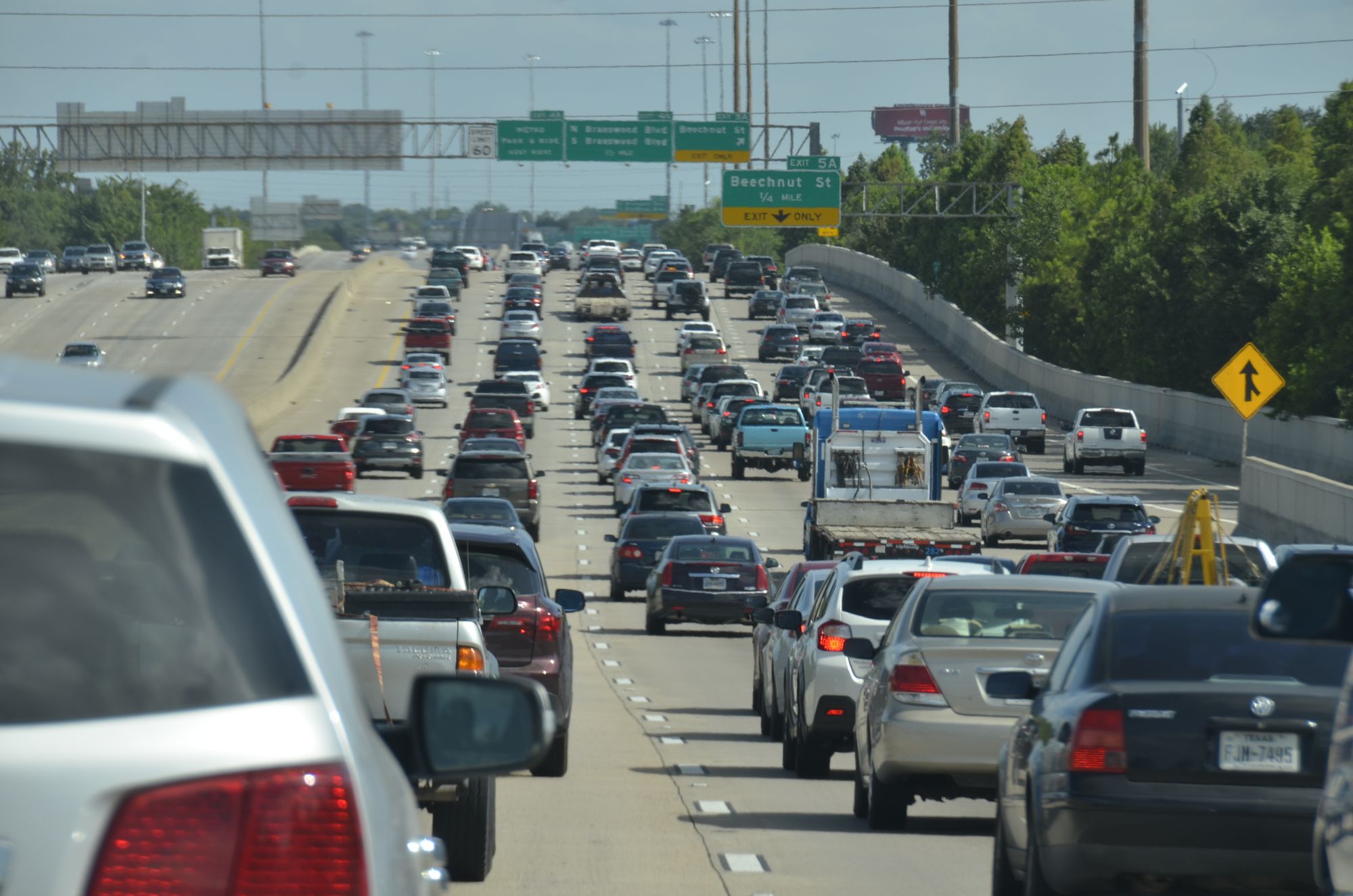
For three consecutive evenings this week, the southbound carriageway of the expressway cleared a full eleven minutes ahead of its established schedule. The development, first noticed by commuters near the toll plaza, has been received with a caution that surprised even the Department of Civic Excellence.
“I left the office and I was simply home,” said a resident of Sector 54, who has driven the corridor daily since 2014. “There was no period of reflection. No interval in which to consider my decisions. I arrived as a stranger to my own evening.”
The city has long understood its traffic not as an obstruction but as a defining civic rhythm — a shared appointment kept, without fail, by two million people at once. The sudden absence of that appointment has unsettled residents who measure their lives by it.
A heritage under quiet review
Officials were careful not to overstate the change. A spokesperson for the Department confirmed that the reduction was “localised, temporary, and under no circumstances a matter of policy,” and reassured the public that ordinary conditions were expected to resume by the weekend.
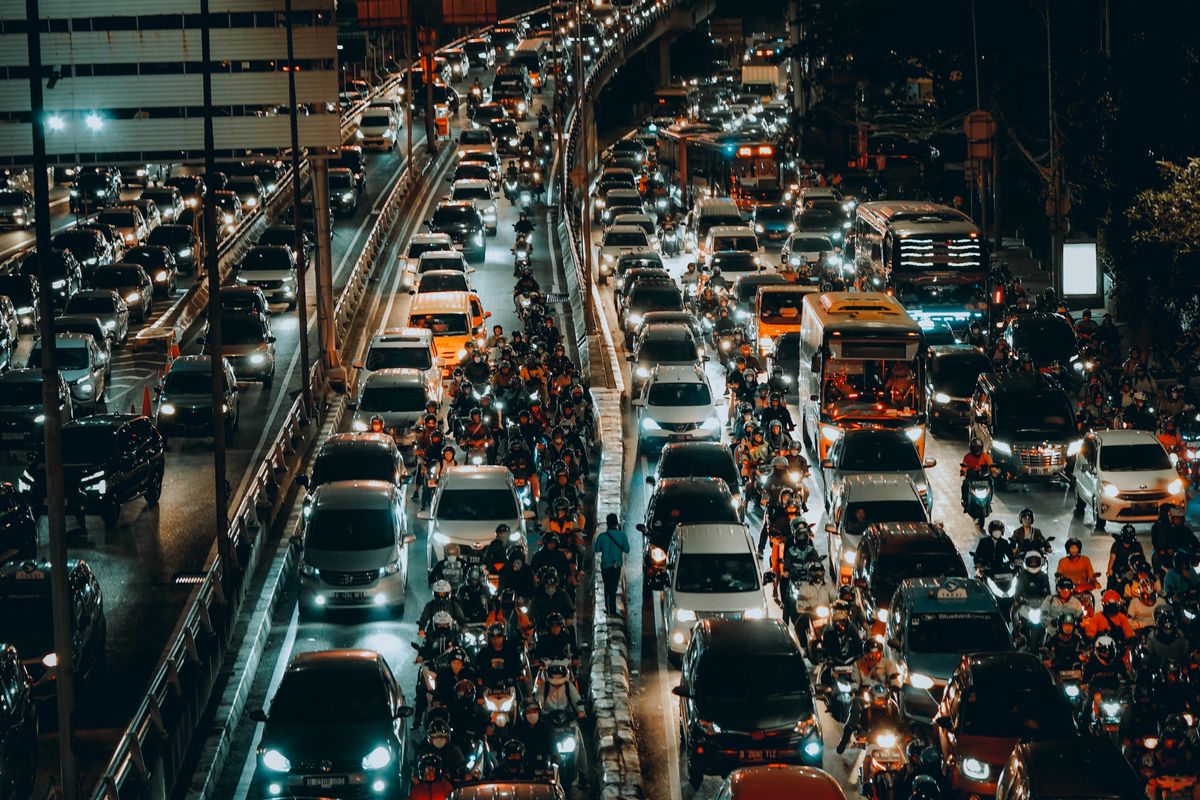
“We did not build this city's character at thirty kilometres an hour. We built it at four.”— Department of Civic Excellence, internal memorandum
Heritage conservationists have urged restraint. The corridor, they note, is a continuously performed work of intangible culture, and any improvement to its flow risks erasing decades of accumulated patience. A preservation order is reportedly being drafted as a precaution.
By Thursday evening, congestion had returned to its customary depth. Residents, interviewed at a standstill near the cloverleaf, expressed relief. “The city feels like itself again,” one said, settling in for the wait. “I have the time to feel it.”
Filed under Mobility · Office of Civic Memory